ARTISTS IN LOVE, part one

George Nathan once wrote, "art is the sex of the imagination."

That strikes me as a pretty dumb thing to say. However, it does serve as a useful springboard for talking about the intriguing relationship between art and love.
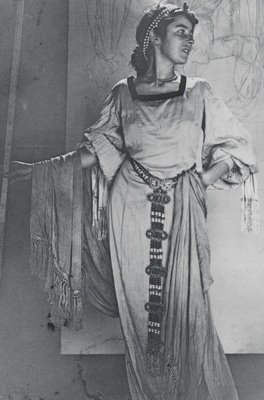


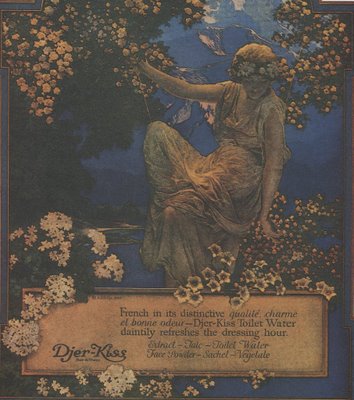
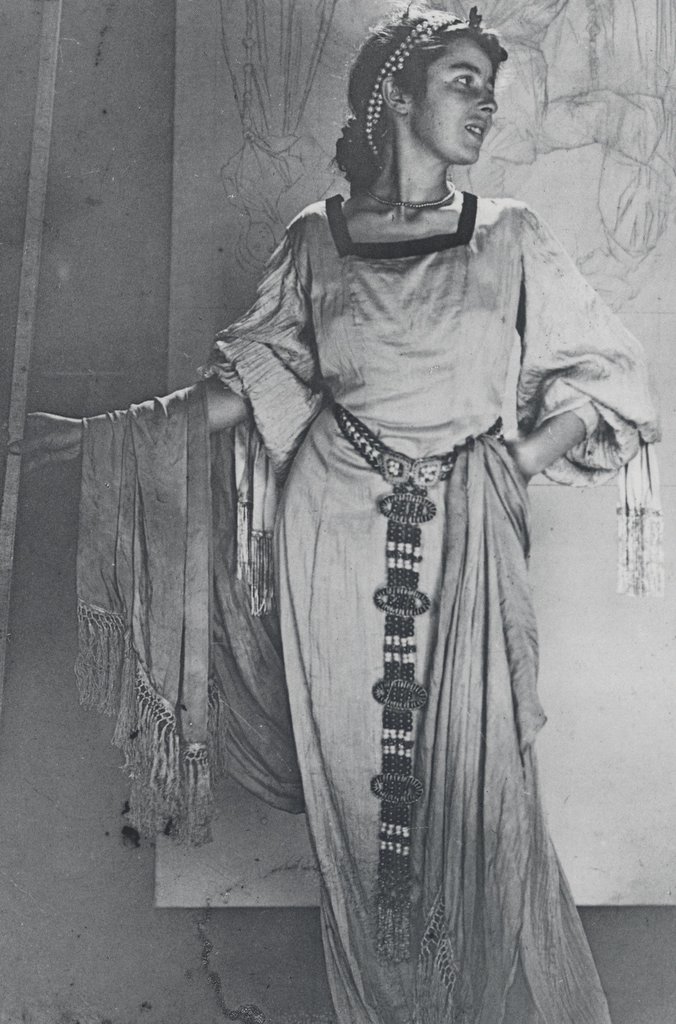
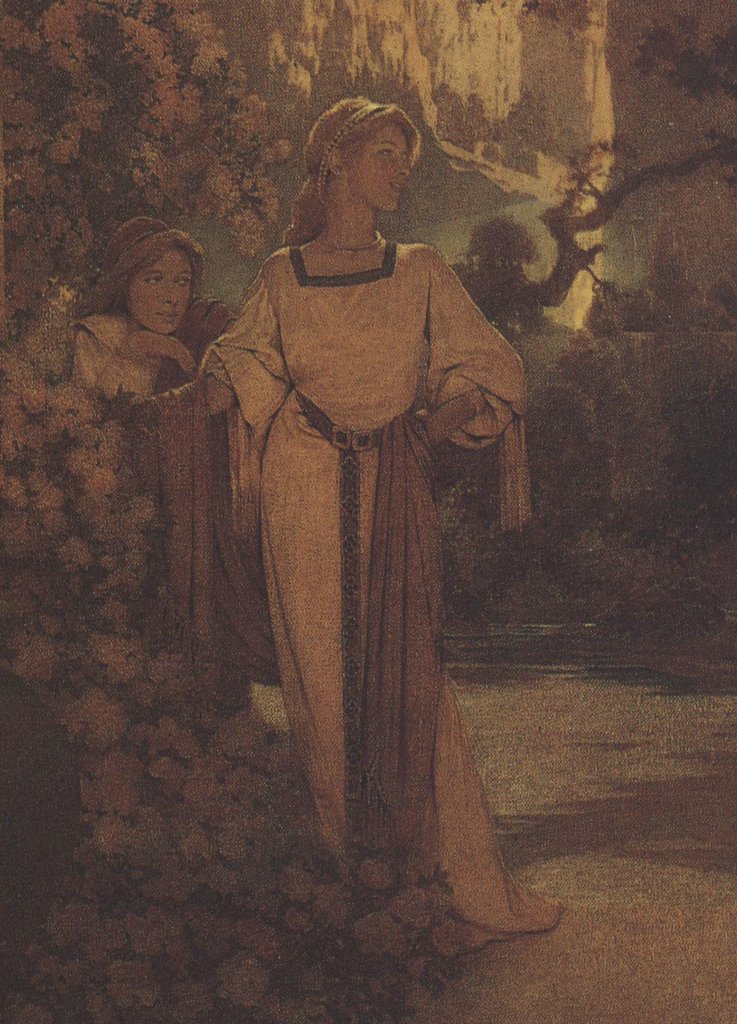
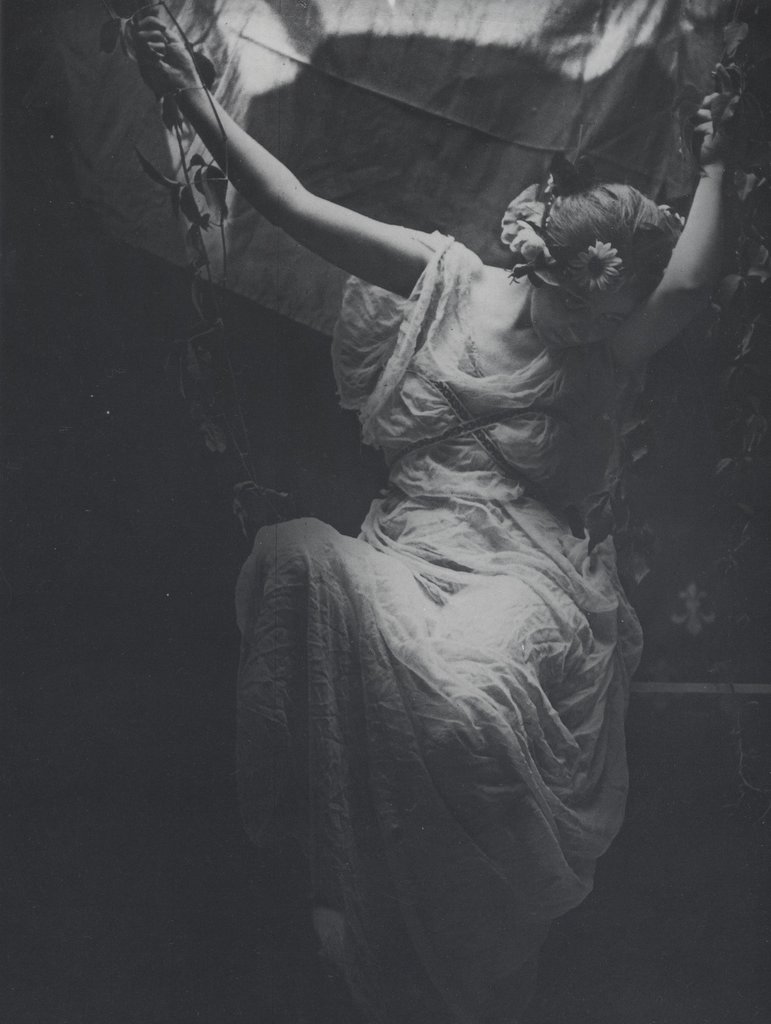
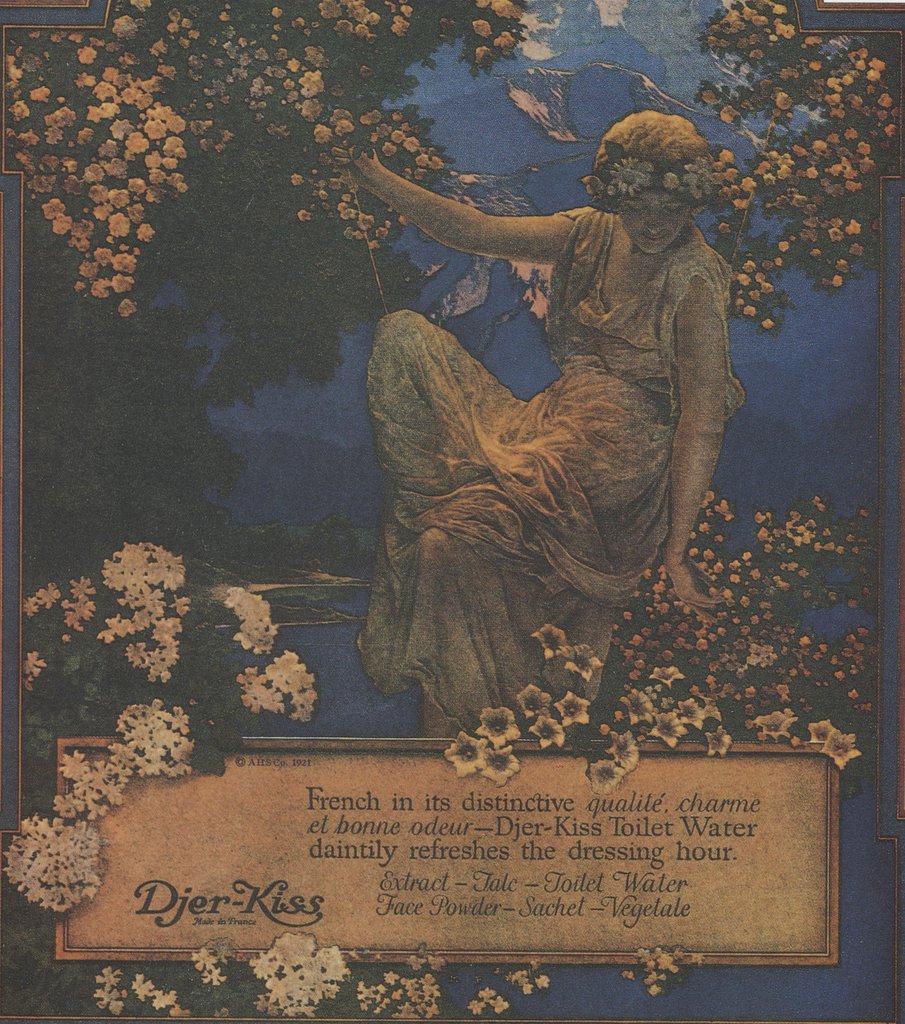
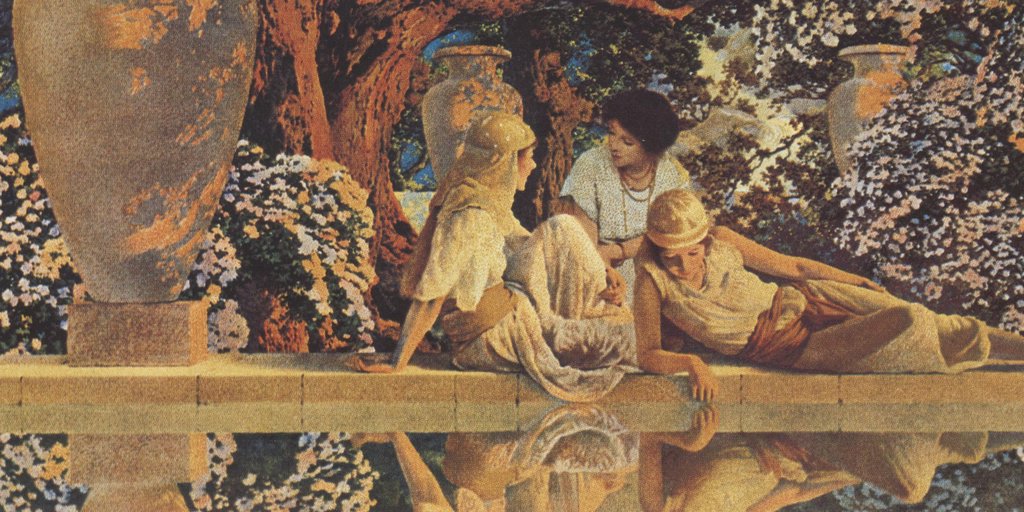
Maxfield Parrish was 33, a successful illustrator living on a grand country estate, when he first met Sue Lewin. She was a 16 year old girl from a nearby farm town hired to help Parrish and his wife care for their two young children. Because Parrish's wife would no longer pose for him, he drafted their young nanny to pose in fairy tale costumes.
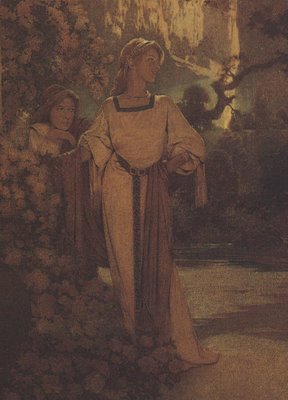


Lewin soon became his muse, modeling for his most famous illustrations.
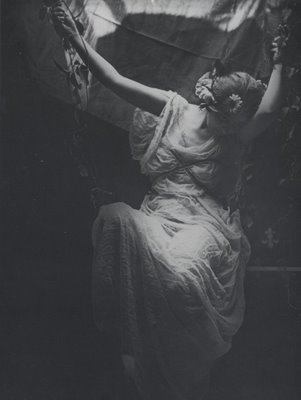


Eventually Parrish moved out of the mansion where his wife and children stayed and set up residence in his art studio so that he and Lewin could work closely together. Not long after that, Parrish's wife began taking their children away on extended trips.

The villagers from the tiny farm town were scandalized by this living arrangement and even sent a delegation out to the estate to confront Parrish. But Parrish and Lewin both insisted that their relationship was purely Platonic. The relationship between Parrish and Lewin is captured in an excellent book by Alma Gilbert.


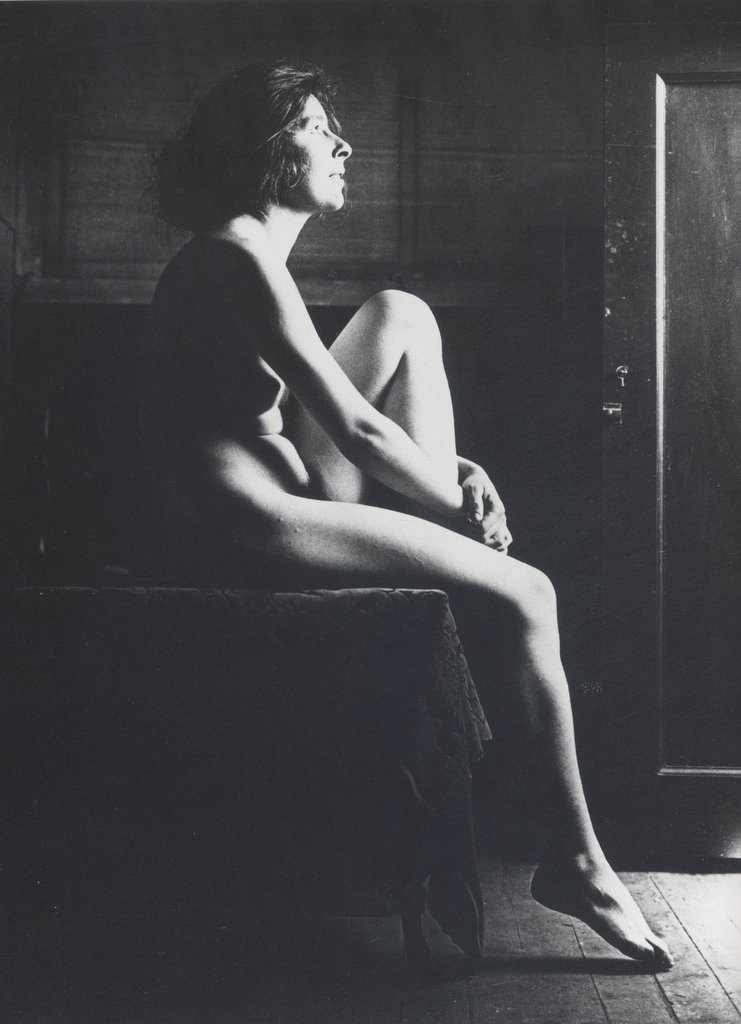
To her dying day, Lewin was adamant, "I'll have you know that Mr. Parrish has never seen my bare knee." After Parrish and Lewin had passed away, construction workers at the estate found a secret compartment where Parrish had hidden the nude photographs he had taken of Lewin.


Lewin was Parrish's constant companion for 55 years. He and Lewin must have had a magical life together out in the country. When Parrish was 90 years old and Lewin was 71, Parrish's wife finally died, leaving him free to marry Lewin. However, he declined so she packed her bags, left the estate and went back to her village where she married someone else. It is difficult to fathom why Parrish could not commit to Lewin after all they had been through together. At age 90, he could hardly have been holding out for a better offer. Parrish was a brilliant painter with a rich and vivid imagination. But for some reason, he just wasn't big enough to make a commitment to reality, and he died alone a few years later.
A CERTAIN KIND OF IMMORTALITY

Don't feel bad that you've never heard of Ervine Metzl. No one else has either.


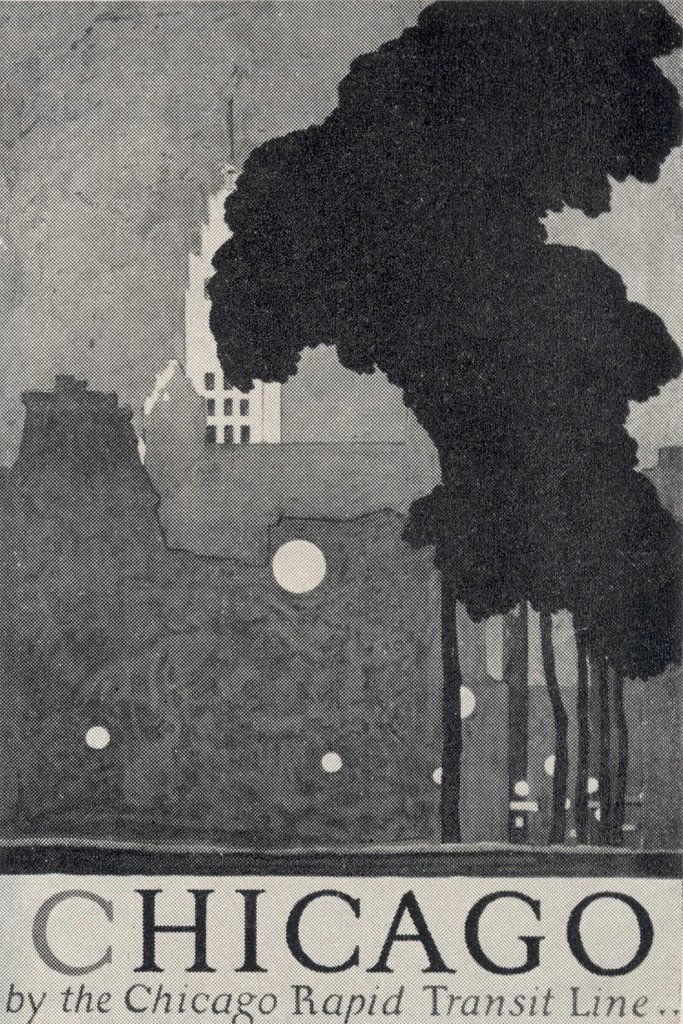
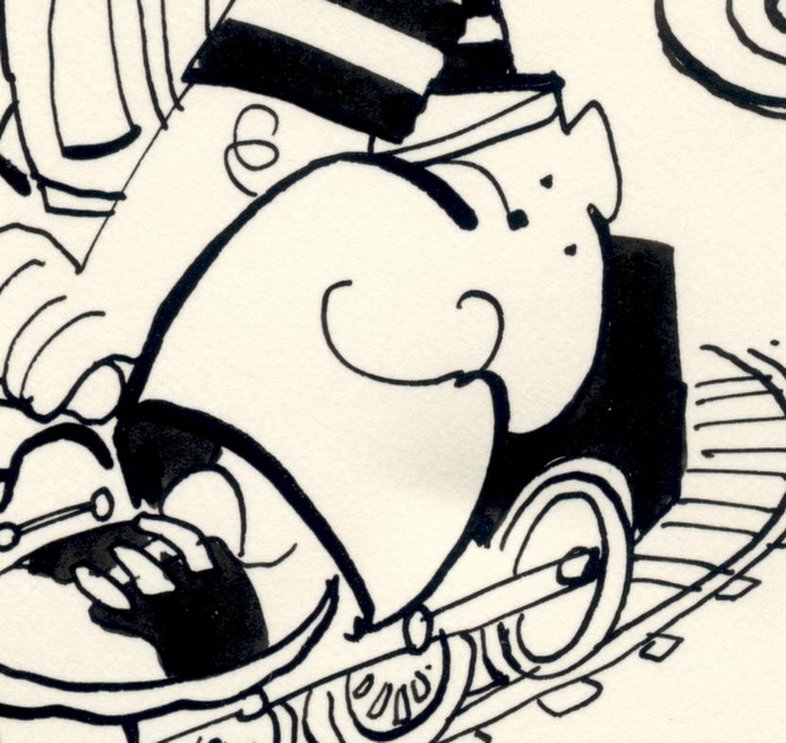
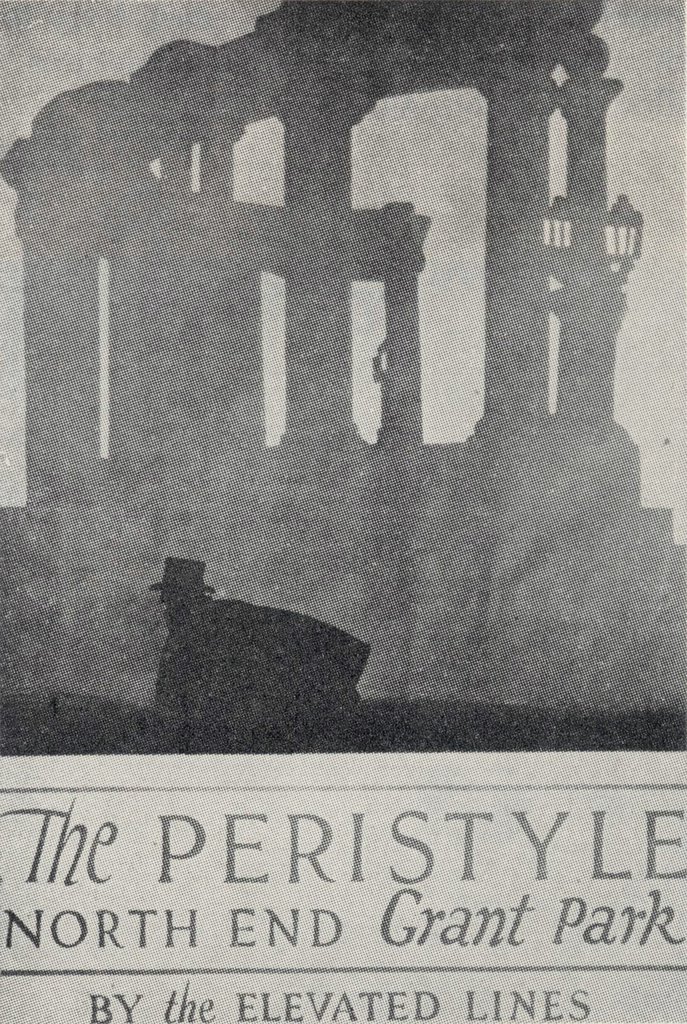
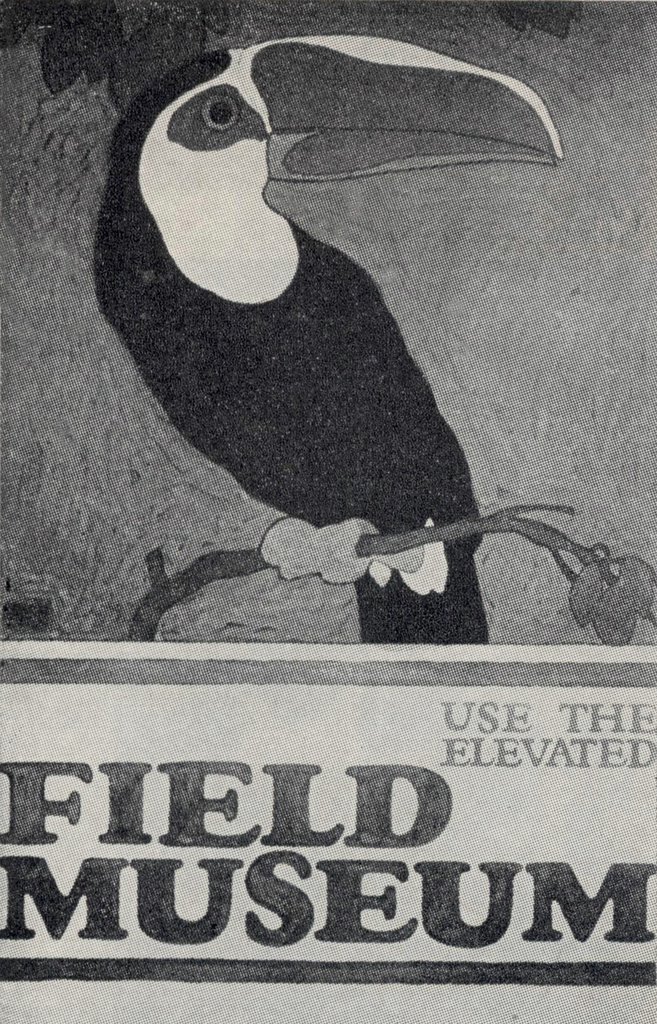
In the 1920s, the Chicago Rapid Transit Company employed a small staff of artists to create subway posters to encourage ridership. The audience was mostly harried commuters who were fighting their way through crowded stations coated with soot and grit. Most of the posters were predictably mediocre. But one of the artists, Ervine Metzl, sat at his board and created timeless designs that transcended the narrow limitations of his forum and his assignment.


Metzl later found work illustrating for Fortune Magazine. He wrote a book which no one reads anymore about illustrating posters. Then he trundled off to oblivion. But while he was working on art like this, he connected with something far larger and more permanent than himself. No matter how little he got paid, and no matter how little he is remembered today, there is something perfectly True about these wonderful designs. This process may be the best shot any of us has to, in the wonderful words of Arthur Koestler, "catch a glimpse of eternity through the window of time."

ART THAT MATTERS


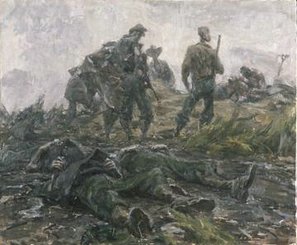
Australian war illustrator Ivor Hele painted jungle fighting in New Guinea during World War II. One day, three men in his unit were killed. Their bodies were left sprawled in the mud while the remaining troops scrambled to dig foxholes. Hele, who felt the tragedy must be recorded, crouched by the bodies to draw them. The soldiers watched him in grim silence.

Then it began to rain.

Without a word, several soldiers left the safety of their foxholes to build a makeshift shelter over Hele with sticks and a tarp so he could finish the precious drawing. These soldiers, who were in the midst of battling for their own lives, felt that Hele's drawing of their fallen comrades was so important that it was worth the risk. Hele later recalled their gesture as "my most moving event in New Guinea."


I would guess these soldiers did not have highly refined taste in art. They would probably flunk a quiz on the difference between modernism and postmodernism. Yet, Hele's experience shows how important and meaningful art can be to human life.

Art used to matter a lot. It is sometimes hard to remember art's original honesty and purpose over the din of today's petty rivalries and internecine squabbling between patrons, collectors, critics and artists.


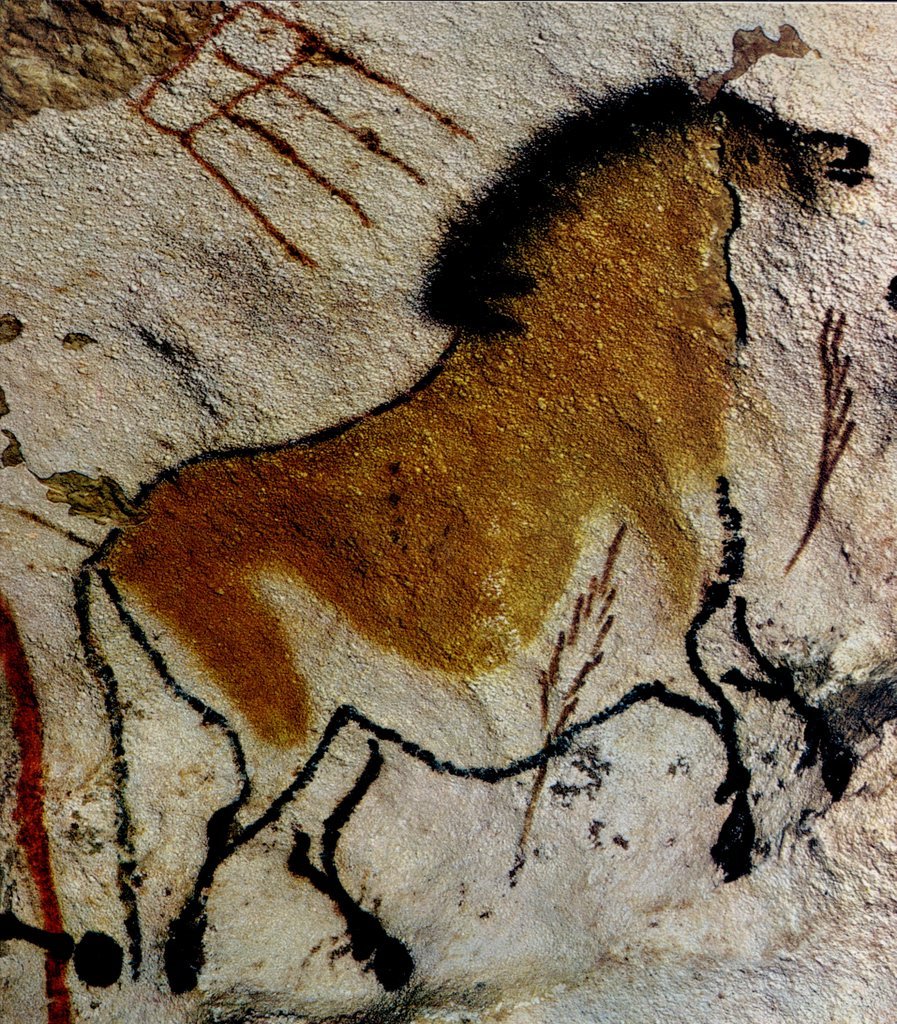
Art first appeared with the Cromagnons who were barely surviving in the midst of an ice age. They had no spare time for cultural luxuries. Yet, to make their paintings, these prehistoric artists would crawl and climb as far as a mile into dark caves carrying charcoal and the red earth which they used for color. The only light came from flickering grease lamps and pine torches which didn't cast enough light to detect the bears and other dangerous animals living in the caves. It was a very risky occupation to be a cave painter, yet something compelled them to do it anyway.

Art of this vitality and relevance seems pretty remote from most art today.

.

PAINTING WATER: THE MARRIAGE OF FREEDOM AND CONTROL


Sometimes it takes the greatest amount of self-discipline to capture the things that are most free and elusive. You might think that painting water-- that most fluid, shimmering substance-- would permit an illustrator to indulge in the wildest excesses. But I was surprised to discover that some of the painters who are best at capturing the freedom of water can only do so using the most exacting self-discipline and control. (There's probably a metaphor for life in there somewhere.)


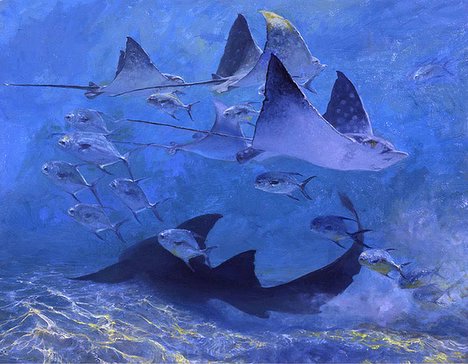
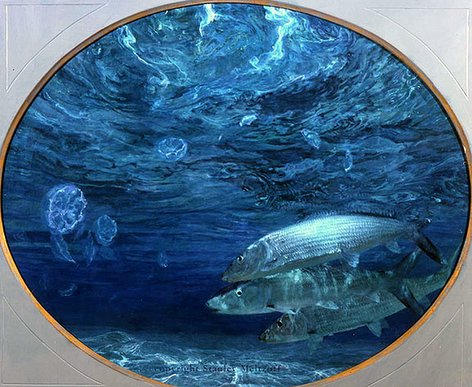
Stanley Meltzoff, whose spectacular paintings are featured in this and my previous post, described to me a similar process for painting water:

So far as I can tell depicting water depends on following the complex rules of illumination, refraction, reflection, color absorption, distortions of all these by the shape of the waves and the color of the bottom and supended particles, all in perspective. There are now computer dependent rules for depicting water in different wave shapes and lighting used by animators in making special effects. The instructions in computer language are beyond my understanding, but available. The How To books in art stores have simpler sets of instructions for painting water which, even if incomplete, are illuminating. So are the comments of John Ruskin in Stones of Venice, and even Gombrich in Art and Illusion. Current water painters do better analysing photographs and reconstructing the fluids in accord with the rules for making illusion, once they have spent some time looking at that particular structure of fluids in motion. I suppose mystics can do this by prayer or meditation, but the picture makers I am acquainted with are practical craftsmen, among whom there are some who can tell a story better than others. I suppose Moses could make water flow from a rock, but Meltzoff needs to use paint on gesso panels to create the illusion of water and wetness for others to contemplate.


Meltzoff went on to talk about the differences between capturing the world above water and the world underwater:

Let me say that painting underwater light and space involve more and other optical rules than water seen from above. The source of light is from above through the water surface. It is as if the waves seen from above were emiting light from beneath . The undersurface reflects in more complex ways than the surface above. Moreover the light is not in a continuous flow as in daylight, but is in distinct bands of focused light surrounded by large volumes of diminished and unfocussed light, in motion and overlapping. Atmospheric perspective and color absorption are more varied and affect varying wave lengths according to the optical processes and physics of water rather than those in air. The movement of bands of light underwater is quite unlike anything above water. With the exception of the undersurface and the bottom when visible, the rules of vanishing point perspective in air are useless underwater, except for single objects. It is not at all like painting en plein air. The same is true for the effect of gravity on vertical and horizontal structures which is so marked above water and clearly seen in vanishing point perspective.


Reflecting on Meltzoff's approach, I was struck by how hard he works to convey an evanescent, shimmering freedom and how successful he is at doing so. It shows how much you can achieve at the intersection where freedom and control come together. As the author Rabindranath Tagore wrote long ago:

The freedom of the storm and the bondage of the roots
join hands in the dance of swaying branches.
Unless you have both the storm and the roots, there just ain't no dancing.

WATER


Water has always presented a special challenge for artists. It has no consistent shape or color. It does not reflect light or cast shadows the way solid objects do. In the picture above of a shipwreck and the following picture of a placid river, illustrator N.C. Wyeth captures two very different examples of water's temperament.


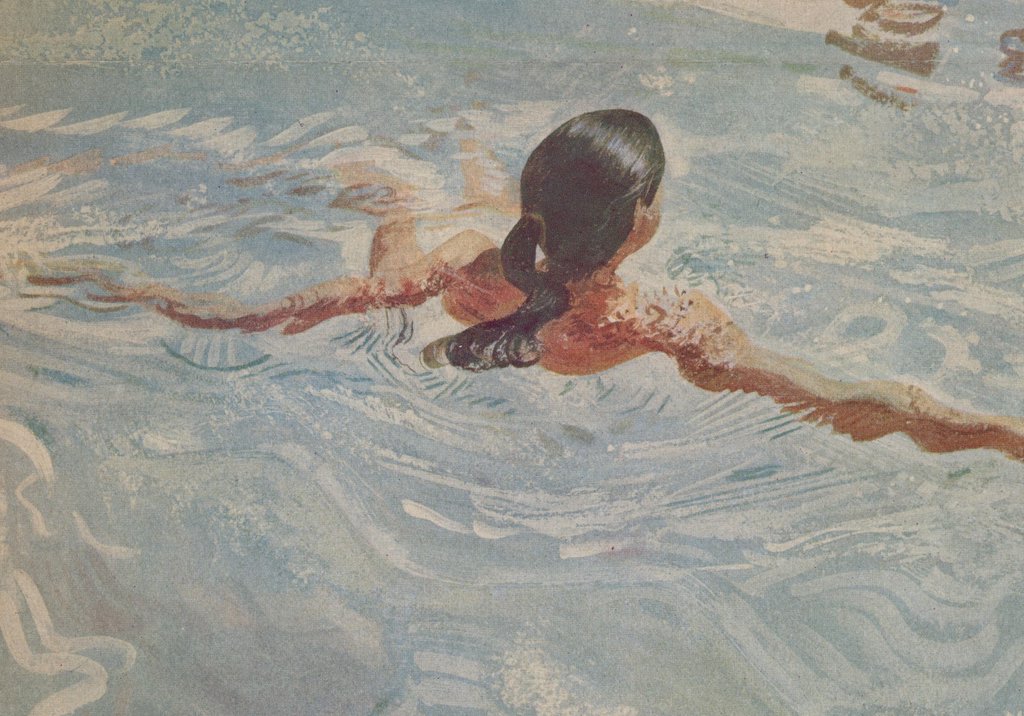
Water refuses to hold still like a bowl of fruit on a table in your art studio, so painters have gone to extraordinary lengths to observe it. J.M.W. Turner famously lashed himself to the mast of a ship in a storm at sea so he could experience the power of water. Renowned illustrator and maritime painter Stanley Meltzoff is a long time diver. Meltzoff's immersion in his subject pays off in vivid, exciting paintings. Note the marvelous abstract design in the interplay of light and water at the top of the picture:


Illustrators over the years have employed a fascinating variety of approaches to water. For some artists, water seems to serve as rorschach test. They have to reach deep into their own personal taste and style to create form and shape and content for water. In the following picture illustrator Robert Fawcett (who was a first rate draftsman but unfortunately color blind and a second rate painter) tries to capture water by painting it as if it were a line drawing:


When Maxfield Parrish wanted to paint water, he often used a mirror for reference, rather than studying real water. The result was a picture of water as artificial as Parrish's candied, fantasy style:


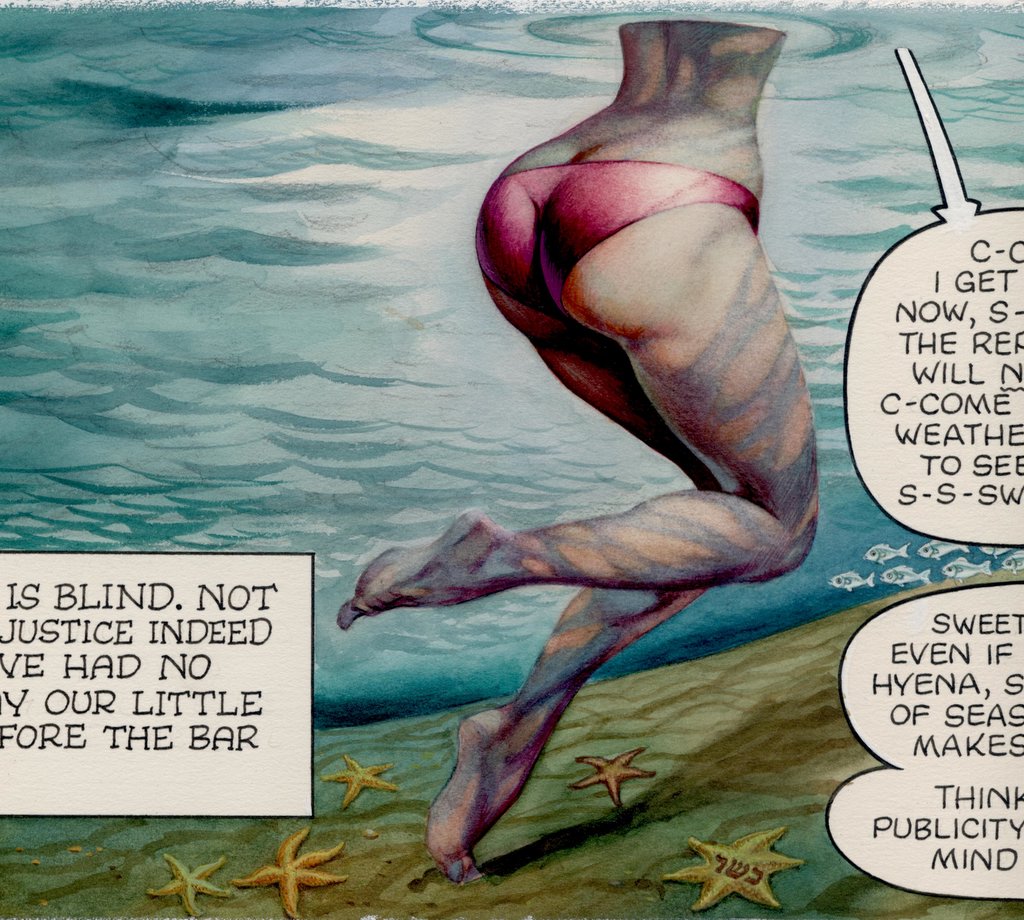
Of course, Frank Frazetta painted water using his own trademarked formula:


Strikingly different methods of depicting water have also been adopted by animators (ranging from Pinocchio and Fantasia to the Incredibles) and by Japanese woodblock artists such as Hokusai. I would be interested in input from readers on additional artists and approaches.

In my view, the most impressive maritime paintings today are being produced by Meltzoff:


I recently read Meltzoff's views on the creation of art underwater. He wrote
Underwater it is somewhat as if Tiepolo were doing free floating and flying mythologies in the water instead of in the air and illuminated them with focused sheets and bands of strobe lights. That is what makes it so interesting for me to dive.
I will devote my next posting to some of Meltzoff's insights.

ONE LOVELY DRAWING, part seven


This drawing by Hank Ketcham dates back to the era before comic strips were drawn with the monotonous line of a felt tip marker and reproduced at the size of a postage stamp. Looking at this original drawing, you can feel the bite of Ketcham's pen nib on paper. You can see how Ketcham expertly guided the flow of the ink around the page like a master hydrologist. The energy and variety of Ketcham's line create a joyful little design at the same time that it conveys a wealth of information about his subject.


By the time this drawing appeared, Ketcham had been drawing Dennis the Menace for over 35 years. His creation had become a big business, and the weary Ketcham often resorted to ghost artists to draw his panels. Yet, when Ketcham picked up the pen here, he still took obvious pleasure in drawing the folds in the pants or the squiggle of the child's elbow. This drawing may have taken Ketcham only minutes to execute, but it took decades to be able to draw it.

NO STRAIGHT THING


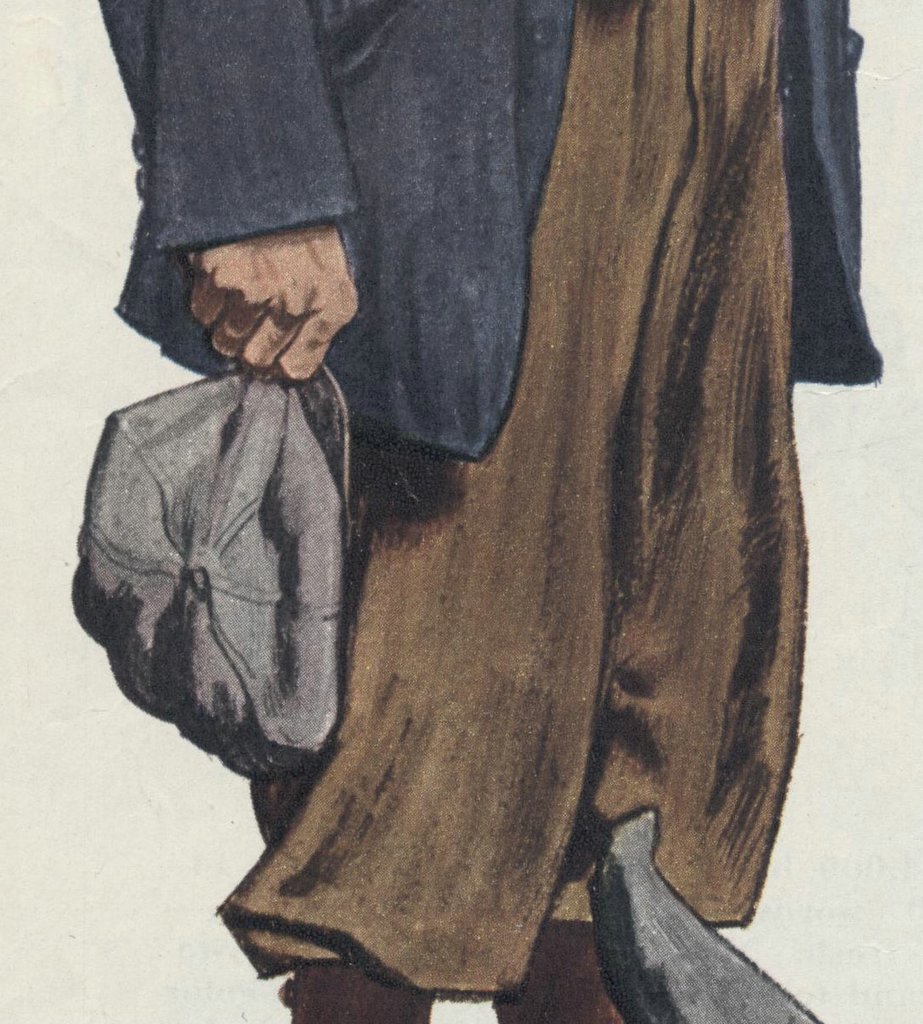
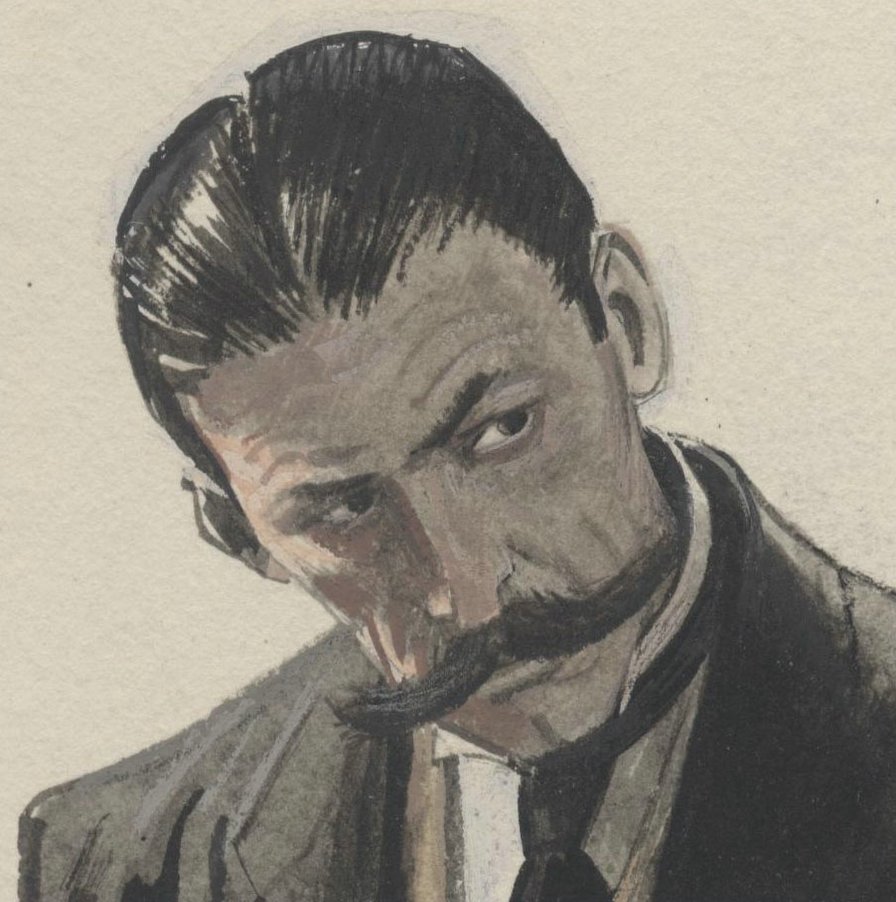
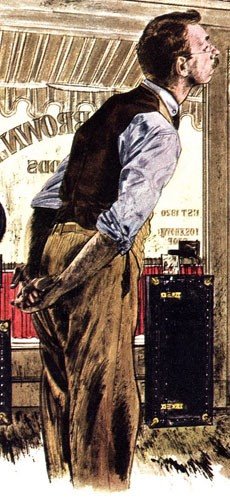
The illustrator Robert Fawcett used to complain about the grueling training in figure drawing that he received at the Slade school in London. He recalled bitterly how one professor made him devote a full week to drawing a single figure on plain paper using a hard graphite pencil. While it seemed like torture at the time, Fawcett admitted that by forcing him to focus on every nuance of the drawing, his professor weaned him from "the long, long search for shortcuts."

This training shows up in many of Fawcett's illustrations, where he rarely resorted to the popular shortcuts in rendering the human figure. He did not assume that figures stood at a right angle to the ground, or that they were symmetrical.


You rarely see straight lines for pants legs or ovals for heads. If you look at the shoulders, posture and body frames in these examples, you will see the work of an artist who kept his eyes open.


The great philosopher Immanuel Kant once observed, "Out of the crooked timber of humanity, no straight thing was ever built." Fawcett seemed to appreciate that, and took great delight in illustrating the knot holes, wood grain and corrugated bark of his subjects.