ALBERT DORNE


Albert Dorne had a wretched childhood. He was born in the slums of New York and grew up in poverty, suffering from tuberculosis, malnutrition and heart disease. Fatherless, he quit school after 7th grade to support his mother, two sisters and younger brother. He tried everything to feed his family, from selling newspapers on a street corner to prize fighting to working on a shipping dock.
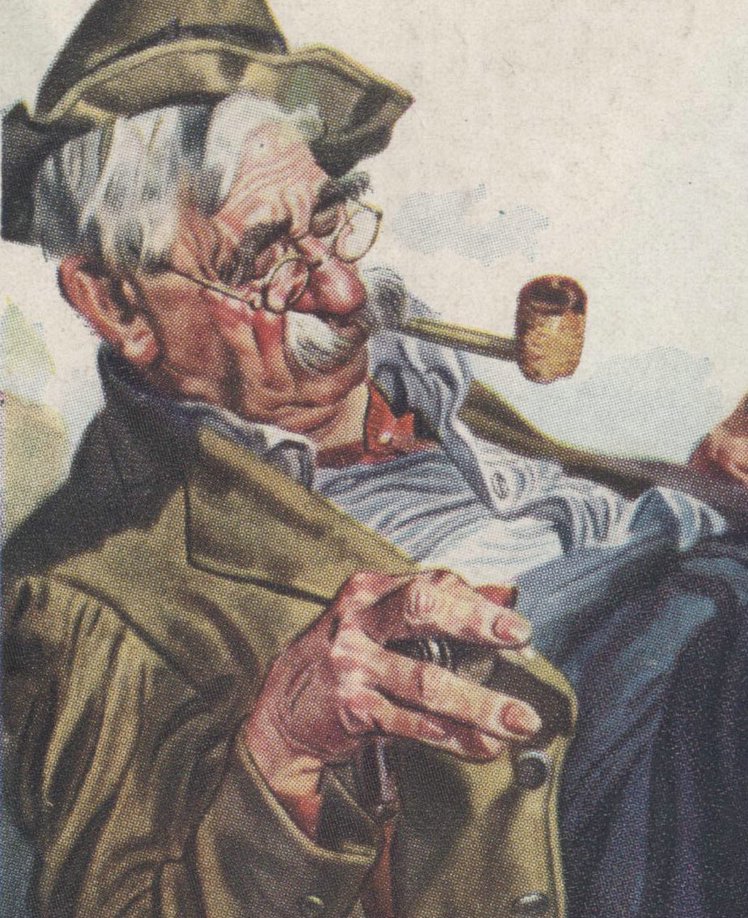


One of the things I like about Dorne is that he had all the credentials for life as a thug, yet the siren song of art was stronger and pulled him through.
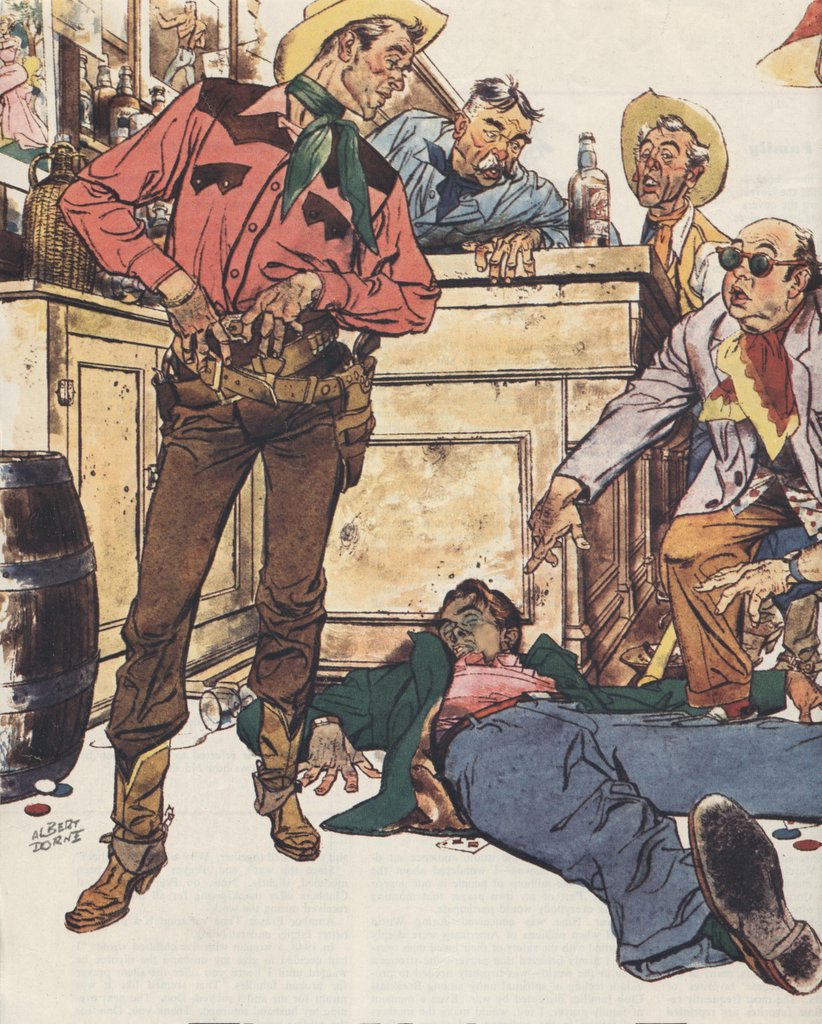


At age 10 Dorne began cutting school 3 or 4 days a week to sneak off to the Metropolitan Museum of Art where he taught himself to draw by copying almost every work of art in the place. The determined little boy soon became well known around the museum. Dorne lived in constant fear that his school would catch him, and he went to great lengths to cover his tracks. He later discovered that his teachers already knew what he was up to and had agreed not to turn him in. They admired his talent and ambition, and thought his chances were better at the museum than at school.

When he turned 17, Dorne decided to make his move into the art business:

"I went to a man who ran a one-man art studio and offered to work for nothing as an office boy while I learned the business. The 'nothing' as a salary sounded fine to him. But I still had to take care of my mother-- and by this time I was also married so I had two families to support. I worked in the studio six days a week from nine to six-thirty. Then I'd get home, have supper and a nap, and go back to work all night seven nights a week from midnight to eight in the morning as a shipping clerk... I did this for a whole year. Finally... I was made a full fledged artist with a salary. I was able to give up my night job. After almost a year of this, I decided I could make more money and perhaps find better work as a free lance artist."

Dorne went on to become one of the most popular illustrators in America, rich beyond his wildest dreams.


Dorne's traumatic childhood left him scarred. He drank heavily. Yet, the bee fertilizes the flower it robs. His experience endowed him with two great gifts. First, he developed a powerful survival instinct. Like a weed pushing its way up through the sidewalk, Dorne always hustled and found assignments when other illustrators lacked work. Second, growing up in a world of desperate, scruffy people Dorne developed a sharp eye for the human carnival. Note how Dorne's insightful line captures a riot of folds, lumps, wrinkles and patches in these marvelous drawings.


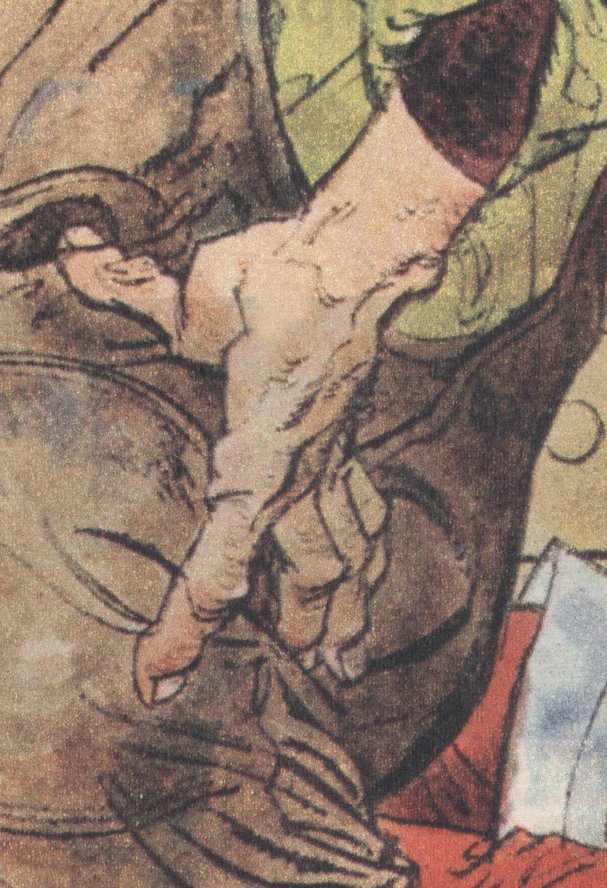
However damaged he may have been by his experiences in life, these drawings demonstrate that he never lost the unabashed joy of drawing. Look at the pleasure he took in drawing fanciful hands.




ARTISTS IN LOVE, part three


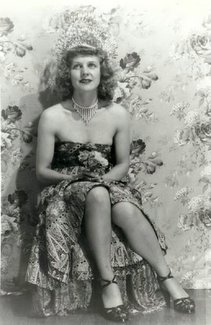
Eugene von Bruenchenhein (1910-1983) was a small, quiet man who worked the night shift at a bakery outside of Milwaukee, Wisconsin. He and his wife Marie lived a humble life in a tiny shack where Eugene spent all his spare time painting and writing poetry.


Eugene and Marie kept to themselves. The neighbors never guessed that inside their meager little home, Eugene and Marie lived as a god and goddess.


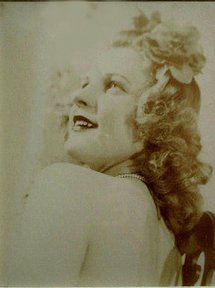
The couple adored each other and during their forty year marriage built a rich fantasy life together. He made crowns and elaborate jewelry for her out of clay he dug himself. He used the bakery oven as a kiln to fire his creations late at night when no one was watching. He also made tiny thrones out of chicken bones painted gold.


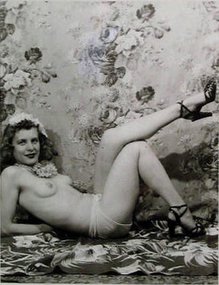
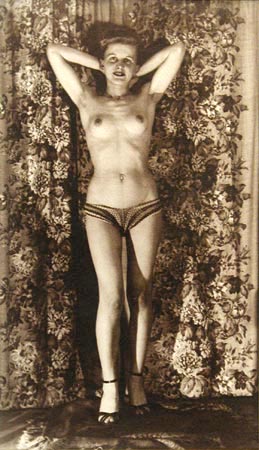
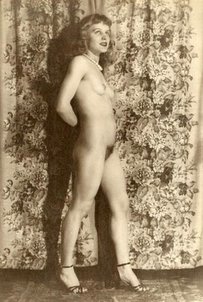
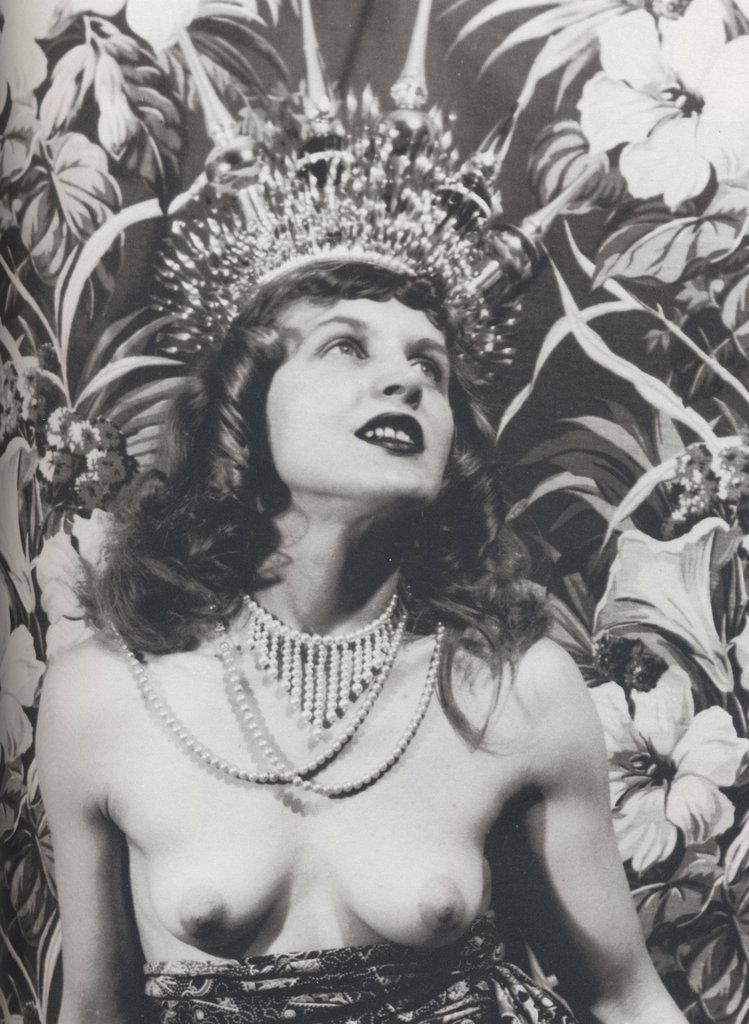
Eugene's paintings and sculptures were quite mediocre. His real artistic accomplishment was that he made several thousand pictures of Marie as his queen, muse, glamour girl, goddess, siren. He would scavenge floral print wallpaper or scraps of fabric to create exotic backdrops. He would adorn her in sarongs and togas and bikinis. Many of these photos he later colored by hand.


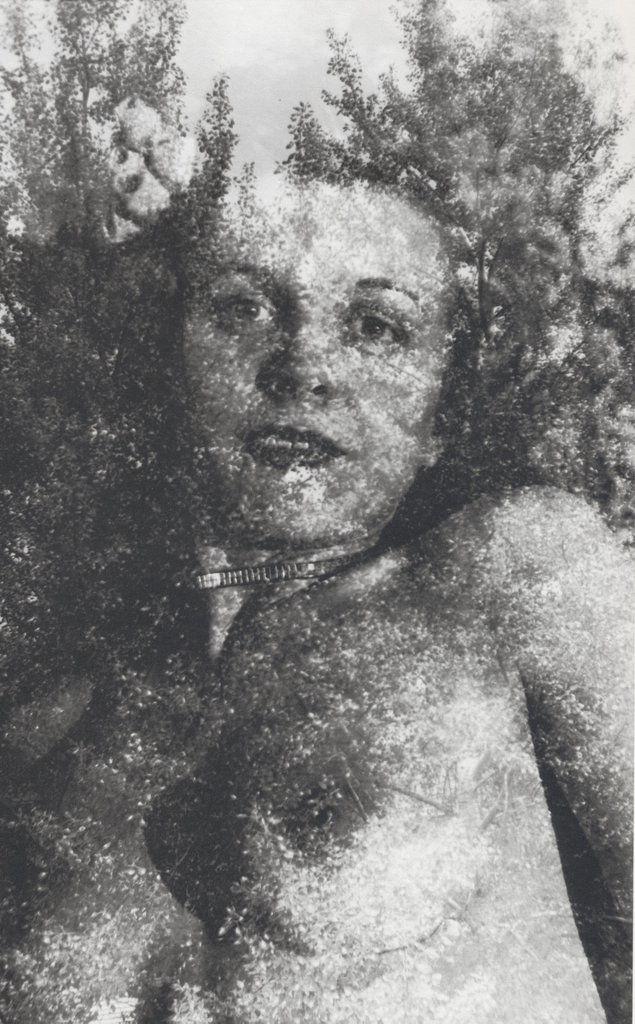
Eugene created montages with Marie's face in the sky, in the sun, and in the trees.


I don't imagine that many housewives in Milwaukee during the 1940s and 1950s spent their days posing for their husbands in nothing but a tiara. But then, I don't think that Eugene and Marie ever felt bound by the time and place where they lived. Their love was transcendent.


Eugene's images of Marie remind me of the line by that great poet of love, Walt Whitman,

I will leave all,
and come and make the hymns of you.
Whatever you may think about the song of Eugene von Bruenchenhein, there are definitely worse ways to live.

ARTISTS IN LOVE, part two


Before Hollywood began making pictures that moved and talked, illustrators who created the still pictures for popular magazines were national celebrities. Successful illustrators were paid huge sums, received hundreds of fan letters and hung out with the "beautiful people" of their day.


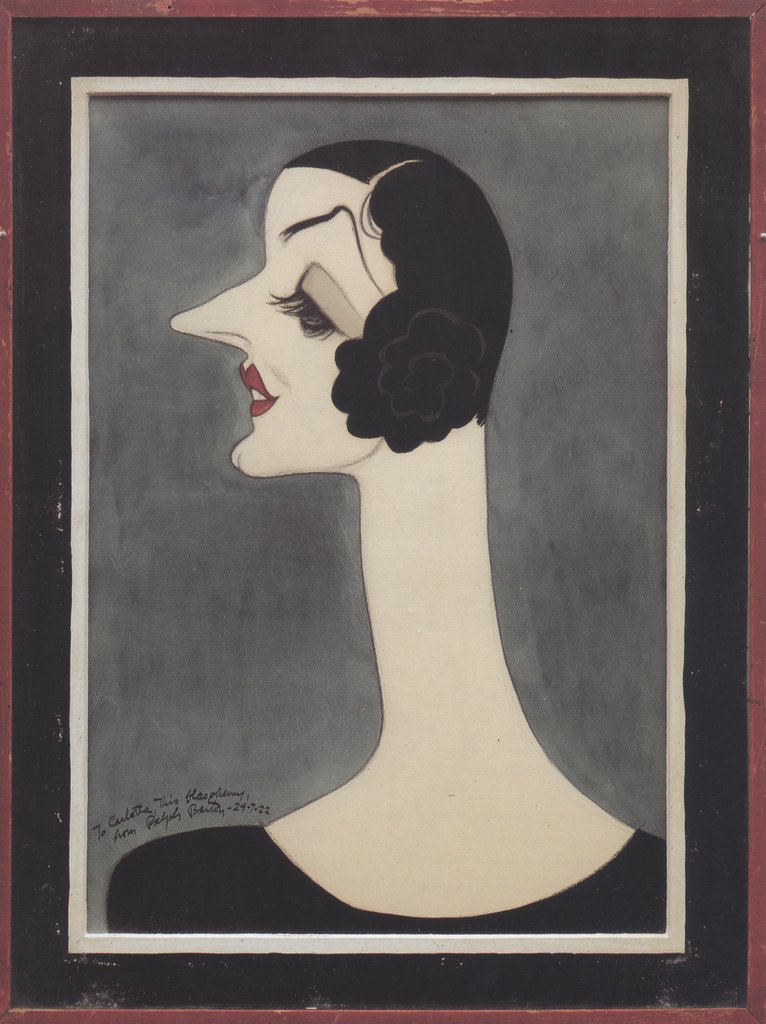
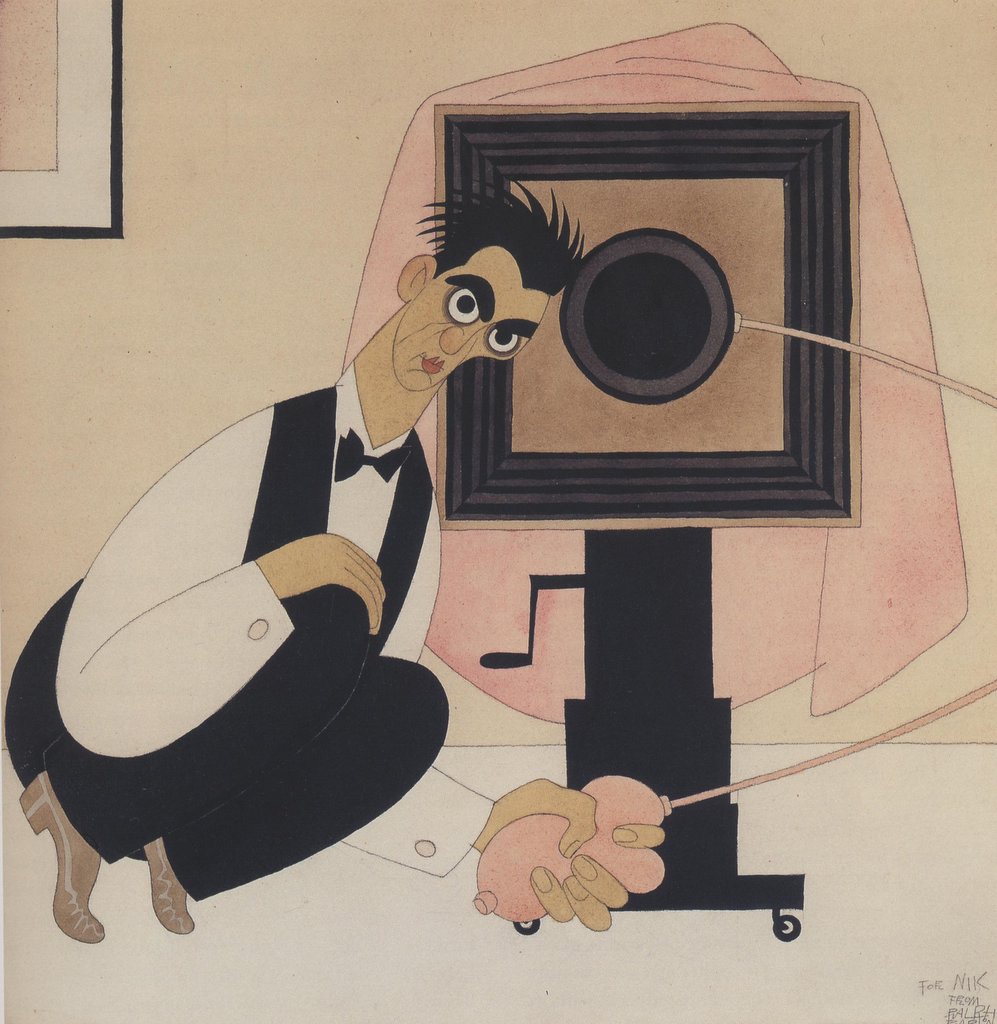
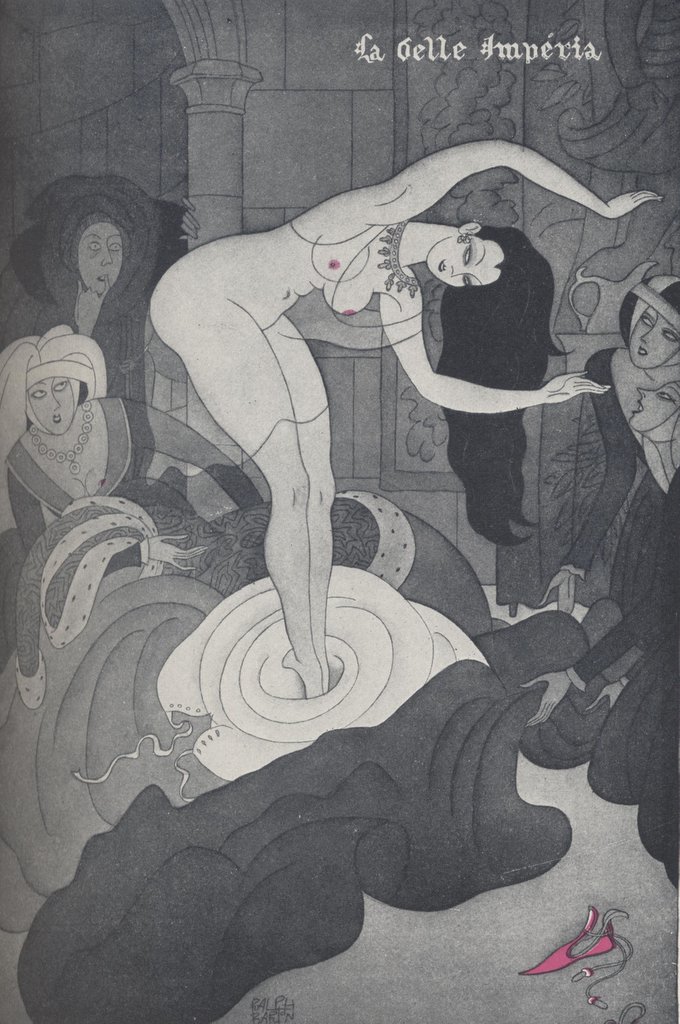
No illustrator was more of a celebrity in the 1920s than the now forgotten Ralph Barton, whose work appeared in the New Yorker, Vanity Fair, and in books such as Gentlemen Prefer Blondes. A notorious womanizer, Barton lived a fast life and went to glittering parties in Paris, London and New York with friends such as Charlie Chaplin, George Gershwin, H.G. Wells, Clarence Darrow, H.L. Mencken and the Barrymores. He was reputed to be the highest paid artist in New York City.

At the peak of his fame, Barton fell in love with a sultry young Broadway starlet with the exotic name of Carlotta Monterey. She was allegedly the daughter of Danish aristocracy.


It turned out that Carlotta's real name was Hazel Taasinge. She was the unwanted daughter of a poor fruit farmer from a small town in California. Abandoned at age four, she worked as a housekeeper but was crowned Miss California in 1907. After that, she used her looks to secure a bit part on Broadway where she was "appallingly bad."


Carlotta's Broadway career flopped, but she moved in with Barton who soon divorced his second wife in order to marry Carlotta.


Despite his love for Carlotta, Barton could not quite let go of his philandering ways. Carlotta walked in on Barton in bed with some "country club type" so she divorced him. She didn't ask for alimony, just "my Krazy Kat clippings in a Chinese lacquer box." (Clearly Carlotta had the right priorities). Soon she set up housekeeping with the great playwright, Eugene O'Neil.


Too late, Barton realized that Carlotta had been "the one." He became fixated on getting her back. His career went into a precipitous decline. He could not work without his muse. His health suffered, and he lost much of his fortune. But Carlotta never returned. He wrote one last impassioned plea to "my dear lost angel" but the note arrived in Paris the day after Carlotta and Eugene O'Neil sailed for New York. Despondent, Barton dressed himself in his silk pyjamas, wrote a suicide note, lay down on his bed with Gray's Anatomy opened to a picture of the human heart, and killed himself. He was 40 years old.

I find it fascinating that an artist who was so jaded-- a smug, sophisticated veteran of countless affairs on several continents-- could no longer work-- or even go on living-- without Carlotta, the small town girl with the made up past.

ARTISTS IN LOVE, part one

George Nathan once wrote, "art is the sex of the imagination."

That strikes me as a pretty dumb thing to say. However, it does serve as a useful springboard for talking about the intriguing relationship between art and love.


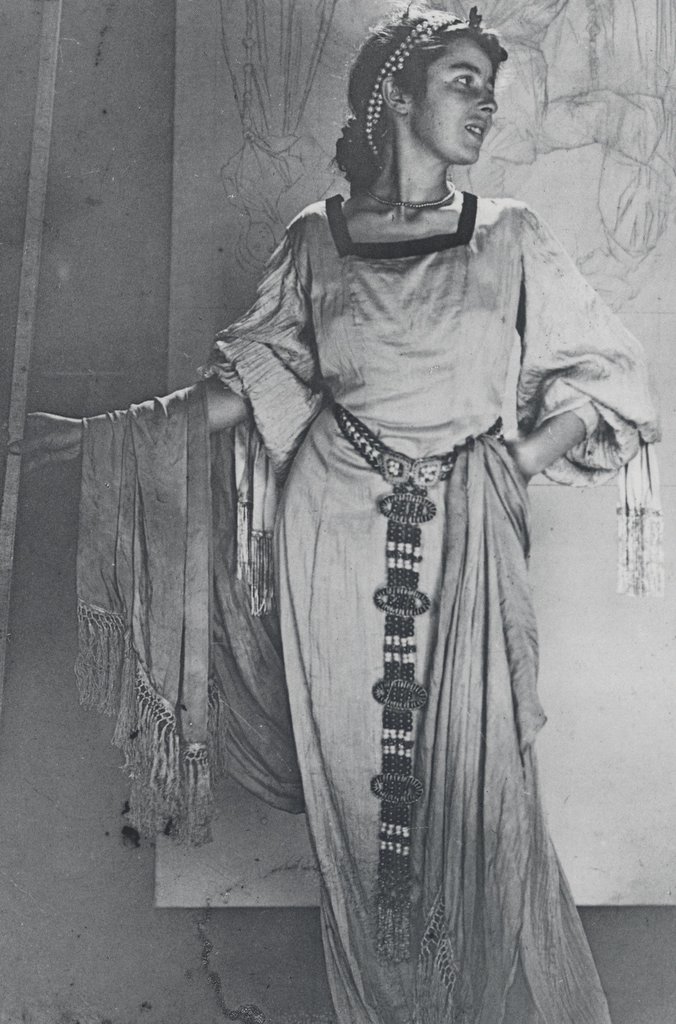
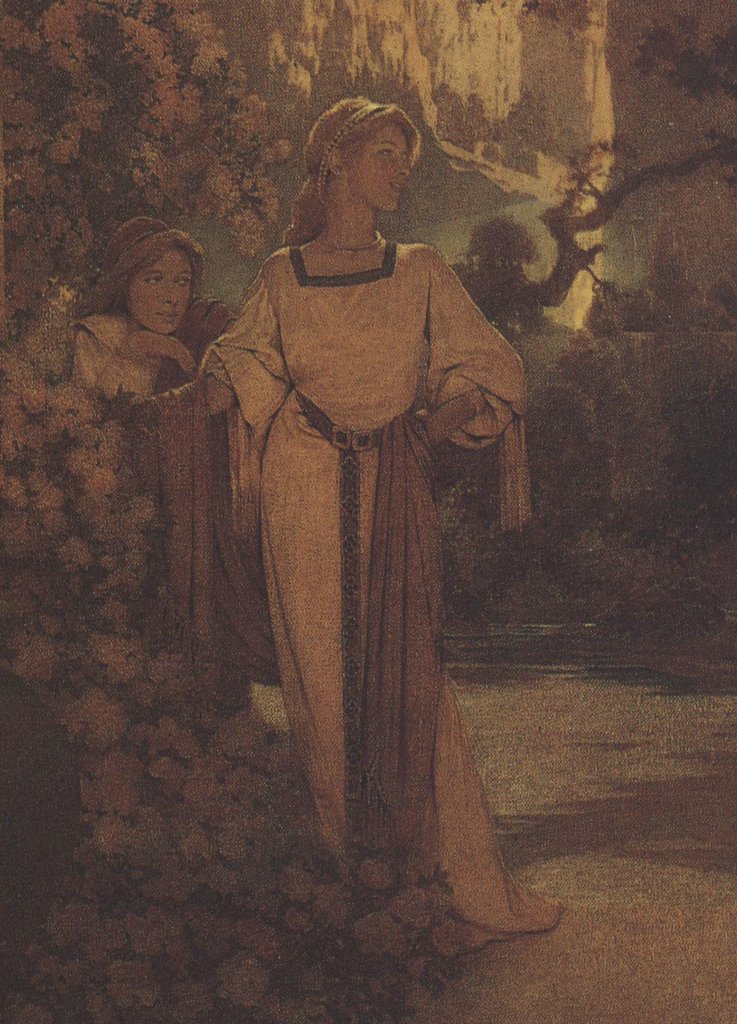
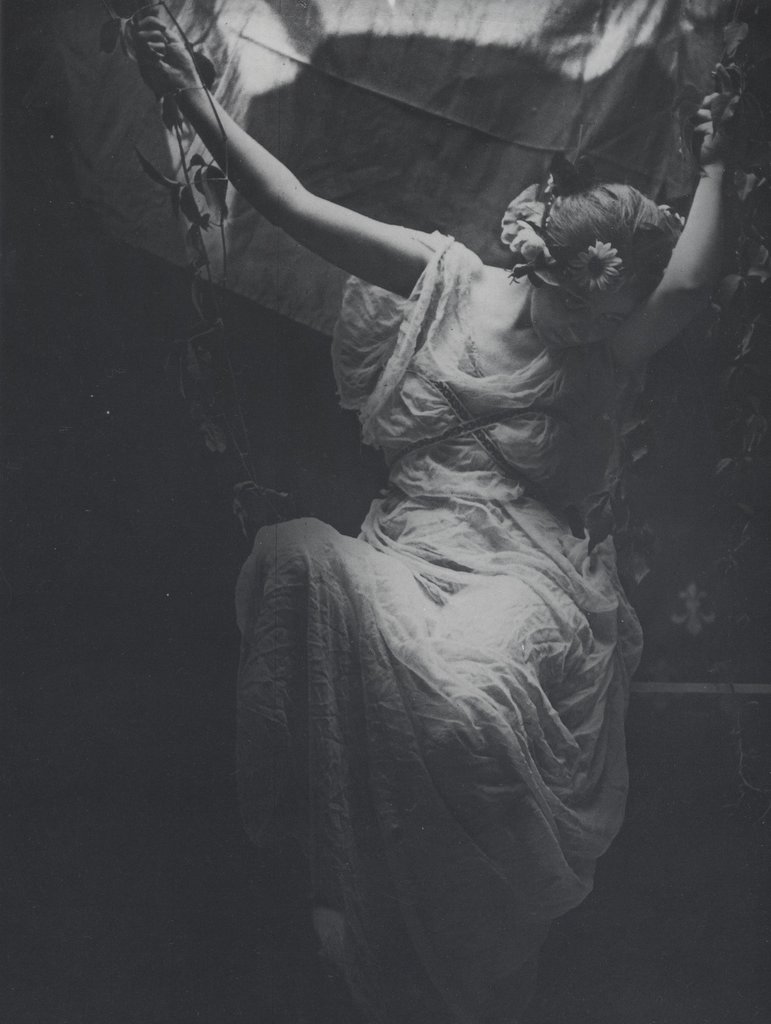
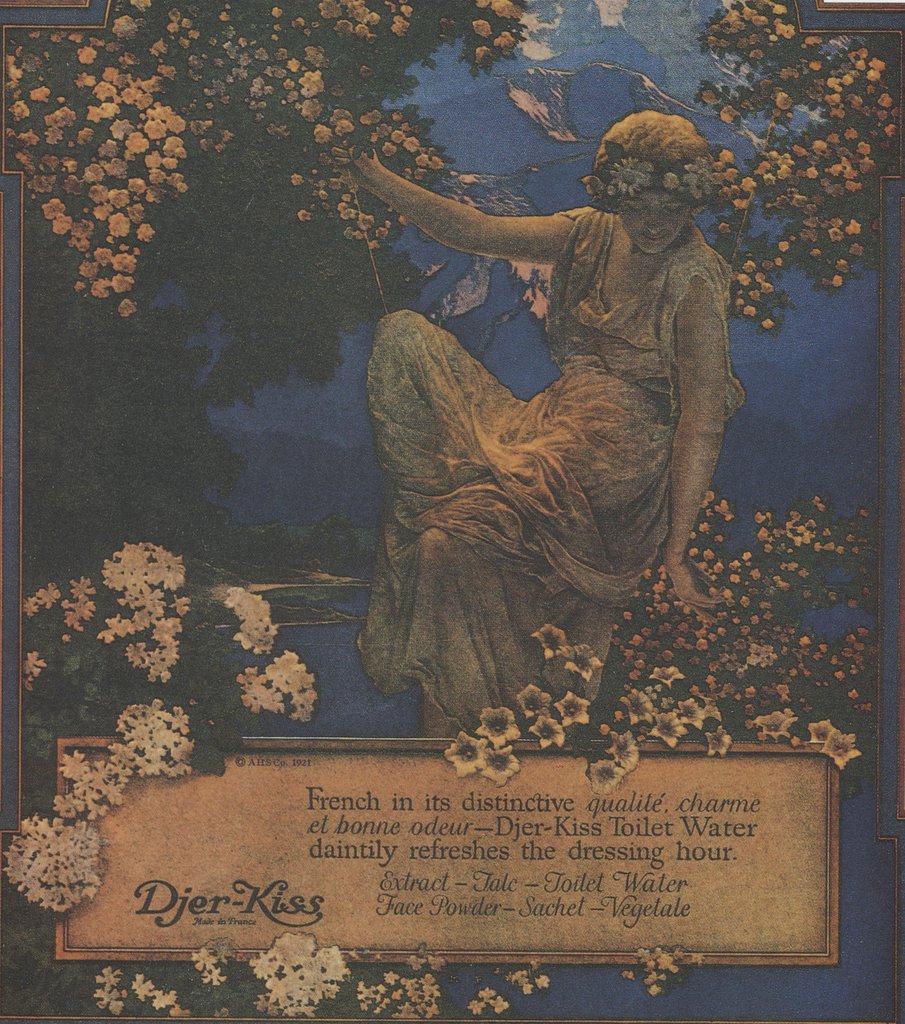
Maxfield Parrish was 33, a successful illustrator living on a grand country estate, when he first met Sue Lewin. She was a 16 year old girl from a nearby farm town hired to help Parrish and his wife care for their two young children. Because Parrish's wife would no longer pose for him, he drafted their young nanny to pose in fairy tale costumes.


Lewin soon became his muse, modeling for his most famous illustrations.


Eventually Parrish moved out of the mansion where his wife and children stayed and set up residence in his art studio so that he and Lewin could work closely together. Not long after that, Parrish's wife began taking their children away on extended trips.

The villagers from the tiny farm town were scandalized by this living arrangement and even sent a delegation out to the estate to confront Parrish. But Parrish and Lewin both insisted that their relationship was purely Platonic. The relationship between Parrish and Lewin is captured in an excellent book by Alma Gilbert.


To her dying day, Lewin was adamant, "I'll have you know that Mr. Parrish has never seen my bare knee." After Parrish and Lewin had passed away, construction workers at the estate found a secret compartment where Parrish had hidden the nude photographs he had taken of Lewin.


Lewin was Parrish's constant companion for 55 years. He and Lewin must have had a magical life together out in the country. When Parrish was 90 years old and Lewin was 71, Parrish's wife finally died, leaving him free to marry Lewin. However, he declined so she packed her bags, left the estate and went back to her village where she married someone else. It is difficult to fathom why Parrish could not commit to Lewin after all they had been through together. At age 90, he could hardly have been holding out for a better offer. Parrish was a brilliant painter with a rich and vivid imagination. But for some reason, he just wasn't big enough to make a commitment to reality, and he died alone a few years later.

A CERTAIN KIND OF IMMORTALITY

Don't feel bad that you've never heard of Ervine Metzl. No one else has either.


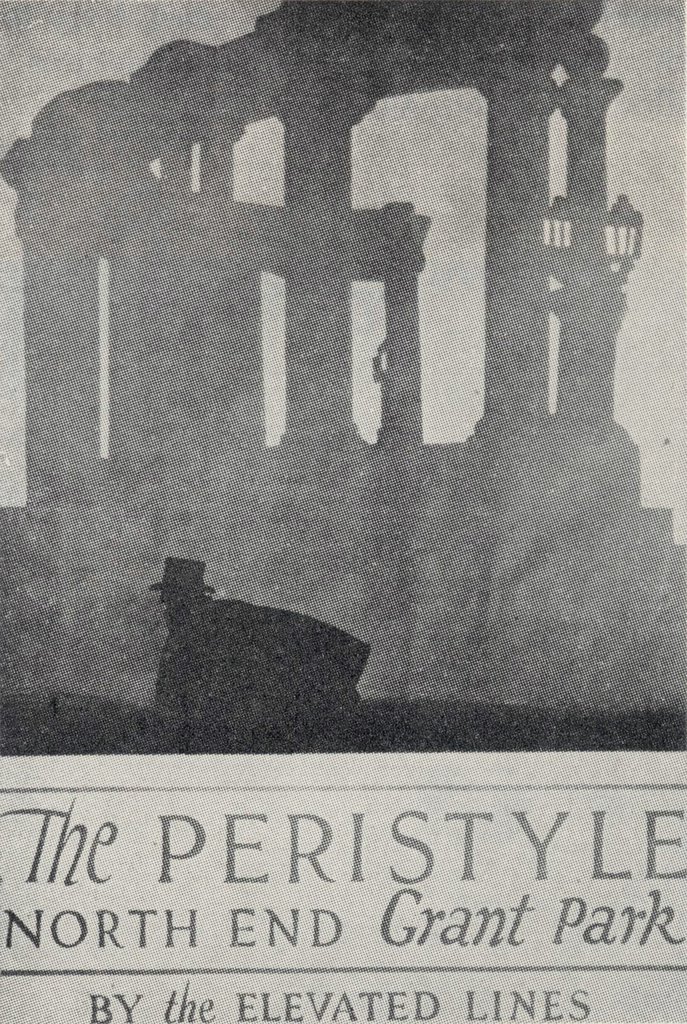
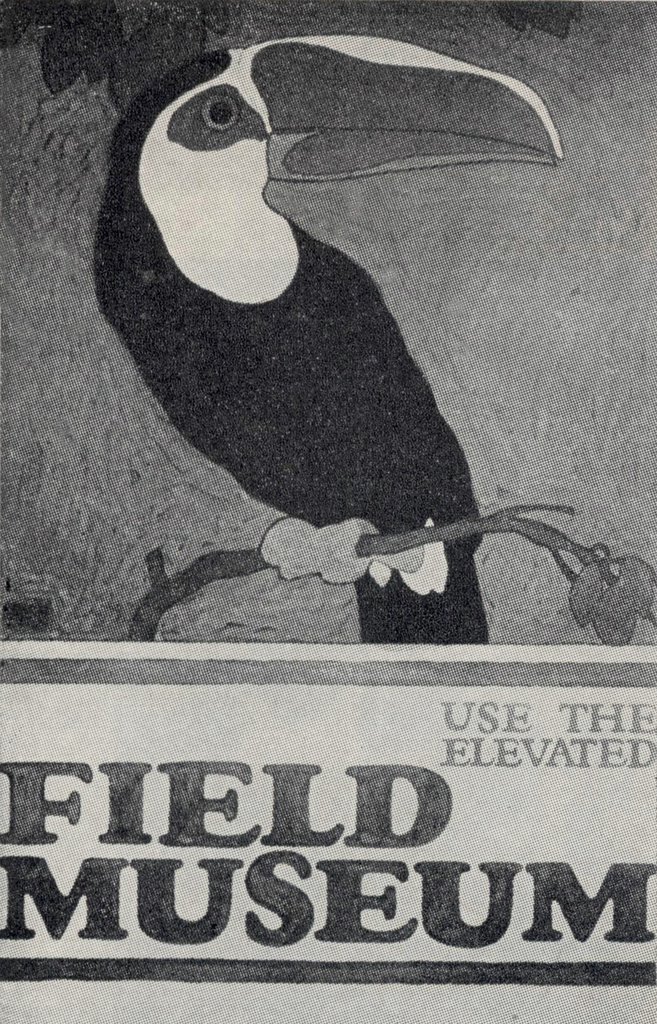
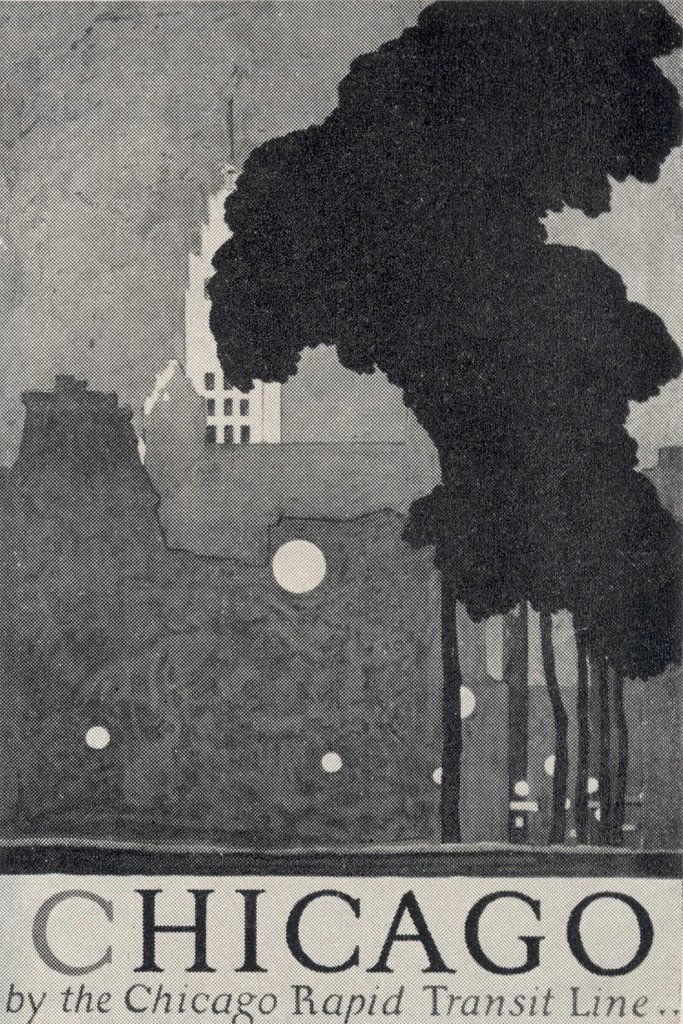
In the 1920s, the Chicago Rapid Transit Company employed a small staff of artists to create subway posters to encourage ridership. The audience was mostly harried commuters who were fighting their way through crowded stations coated with soot and grit. Most of the posters were predictably mediocre. But one of the artists, Ervine Metzl, sat at his board and created timeless designs that transcended the narrow limitations of his forum and his assignment.


Metzl later found work illustrating for Fortune Magazine. He wrote a book which no one reads anymore about illustrating posters. Then he trundled off to oblivion. But while he was working on art like this, he connected with something far larger and more permanent than himself. No matter how little he got paid, and no matter how little he is remembered today, there is something perfectly True about these wonderful designs. This process may be the best shot any of us has to, in the wonderful words of Arthur Koestler, "catch a glimpse of eternity through the window of time."

ART THAT MATTERS


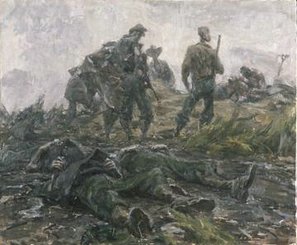
Australian war illustrator Ivor Hele painted jungle fighting in New Guinea during World War II. One day, three men in his unit were killed. Their bodies were left sprawled in the mud while the remaining troops scrambled to dig foxholes. Hele, who felt the tragedy must be recorded, crouched by the bodies to draw them. The soldiers watched him in grim silence.

Then it began to rain.

Without a word, several soldiers left the safety of their foxholes to build a makeshift shelter over Hele with sticks and a tarp so he could finish the precious drawing. These soldiers, who were in the midst of battling for their own lives, felt that Hele's drawing of their fallen comrades was so important that it was worth the risk. Hele later recalled their gesture as "my most moving event in New Guinea."


I would guess these soldiers did not have highly refined taste in art. They would probably flunk a quiz on the difference between modernism and postmodernism. Yet, Hele's experience shows how important and meaningful art can be to human life.

Art used to matter a lot. It is sometimes hard to remember art's original honesty and purpose over the din of today's petty rivalries and internecine squabbling between patrons, collectors, critics and artists.


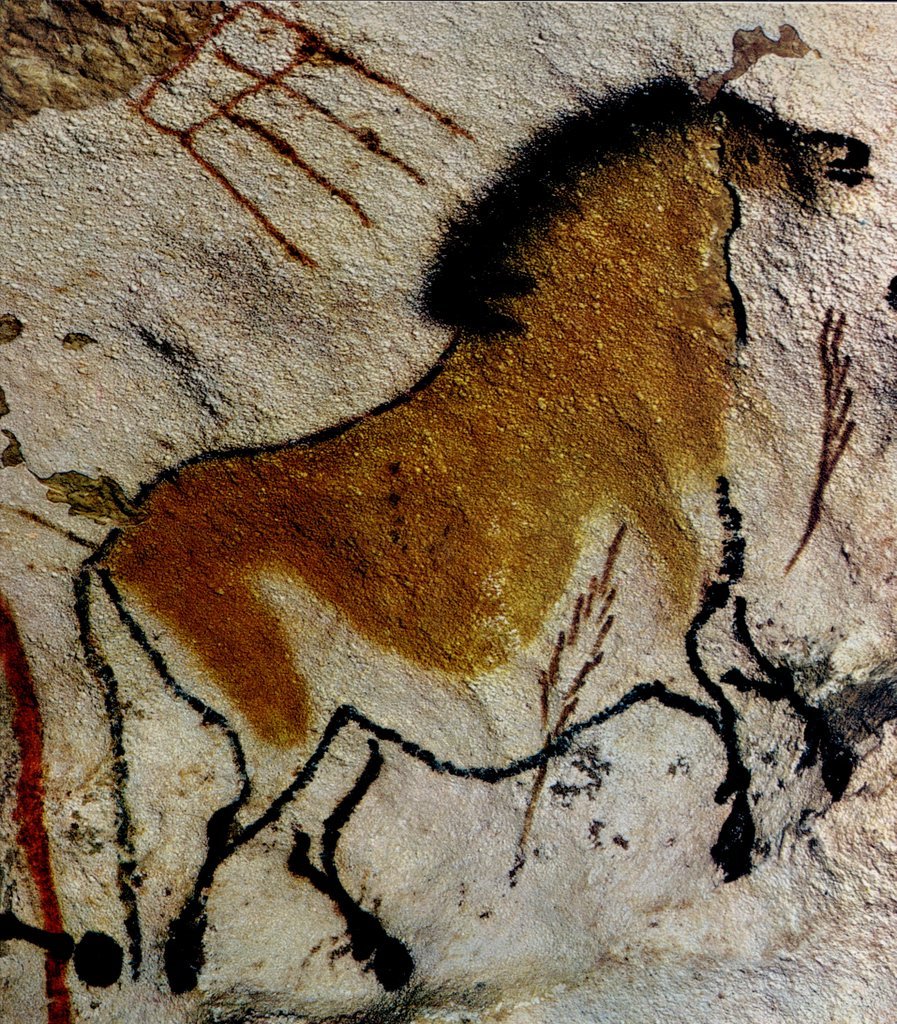
Art first appeared with the Cromagnons who were barely surviving in the midst of an ice age. They had no spare time for cultural luxuries. Yet, to make their paintings, these prehistoric artists would crawl and climb as far as a mile into dark caves carrying charcoal and the red earth which they used for color. The only light came from flickering grease lamps and pine torches which didn't cast enough light to detect the bears and other dangerous animals living in the caves. It was a very risky occupation to be a cave painter, yet something compelled them to do it anyway.

Art of this vitality and relevance seems pretty remote from most art today.

.

PAINTING WATER: THE MARRIAGE OF FREEDOM AND CONTROL


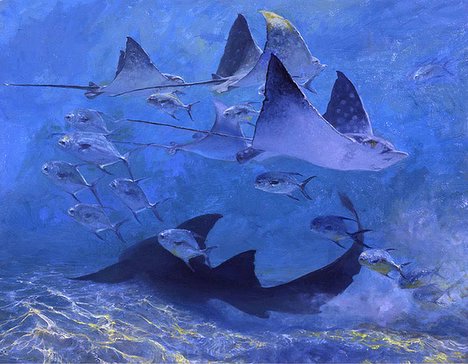
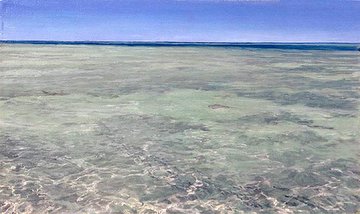
Sometimes it takes the greatest amount of self-discipline to capture the things that are most free and elusive. You might think that painting water-- that most fluid, shimmering substance-- would permit an illustrator to indulge in the wildest excesses. But I was surprised to discover that some of the painters who are best at capturing the freedom of water can only do so using the most exacting self-discipline and control. (There's probably a metaphor for life in there somewhere.)


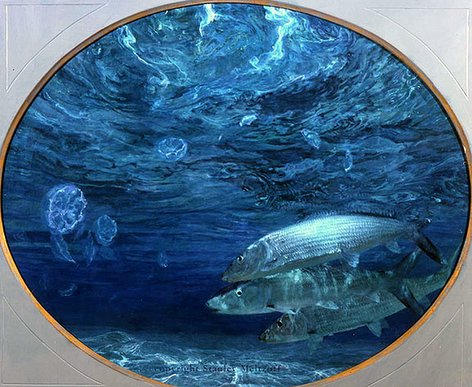
Stanley Meltzoff, whose spectacular paintings are featured in this and my previous post, described to me a similar process for painting water:

So far as I can tell depicting water depends on following the complex rules of illumination, refraction, reflection, color absorption, distortions of all these by the shape of the waves and the color of the bottom and supended particles, all in perspective. There are now computer dependent rules for depicting water in different wave shapes and lighting used by animators in making special effects. The instructions in computer language are beyond my understanding, but available. The How To books in art stores have simpler sets of instructions for painting water which, even if incomplete, are illuminating. So are the comments of John Ruskin in Stones of Venice, and even Gombrich in Art and Illusion. Current water painters do better analysing photographs and reconstructing the fluids in accord with the rules for making illusion, once they have spent some time looking at that particular structure of fluids in motion. I suppose mystics can do this by prayer or meditation, but the picture makers I am acquainted with are practical craftsmen, among whom there are some who can tell a story better than others. I suppose Moses could make water flow from a rock, but Meltzoff needs to use paint on gesso panels to create the illusion of water and wetness for others to contemplate.


Meltzoff went on to talk about the differences between capturing the world above water and the world underwater:

Let me say that painting underwater light and space involve more and other optical rules than water seen from above. The source of light is from above through the water surface. It is as if the waves seen from above were emiting light from beneath . The undersurface reflects in more complex ways than the surface above. Moreover the light is not in a continuous flow as in daylight, but is in distinct bands of focused light surrounded by large volumes of diminished and unfocussed light, in motion and overlapping. Atmospheric perspective and color absorption are more varied and affect varying wave lengths according to the optical processes and physics of water rather than those in air. The movement of bands of light underwater is quite unlike anything above water. With the exception of the undersurface and the bottom when visible, the rules of vanishing point perspective in air are useless underwater, except for single objects. It is not at all like painting en plein air. The same is true for the effect of gravity on vertical and horizontal structures which is so marked above water and clearly seen in vanishing point perspective.


Reflecting on Meltzoff's approach, I was struck by how hard he works to convey an evanescent, shimmering freedom and how successful he is at doing so. It shows how much you can achieve at the intersection where freedom and control come together. As the author Rabindranath Tagore wrote long ago:

The freedom of the storm and the bondage of the roots
join hands in the dance of swaying branches.
Unless you have both the storm and the roots, there just ain't no dancing.